📞 24/7 Emergency Service — We Pick Up Every Call — (940) 644-4376
DFW's Friendly Garage Door Experts

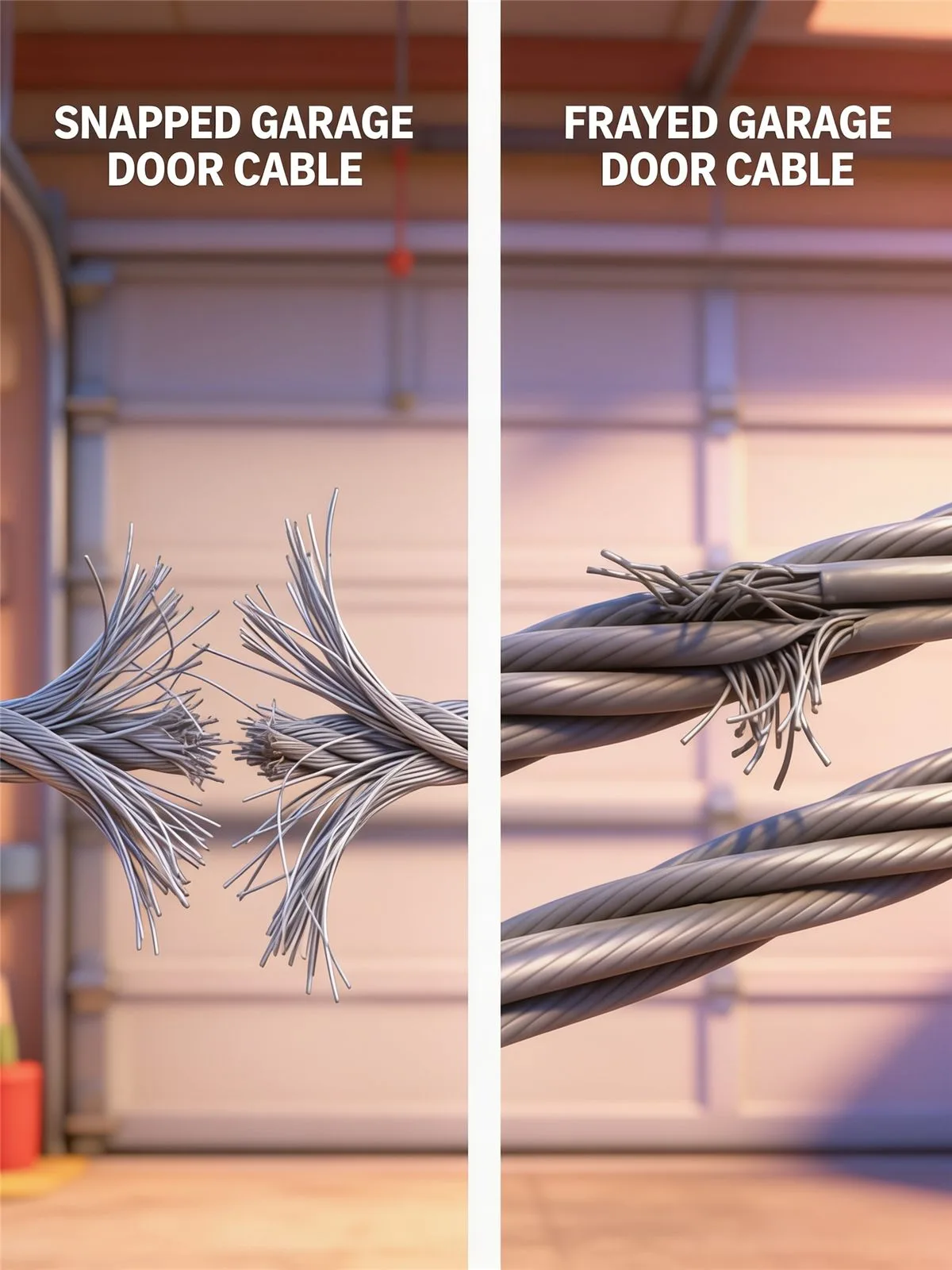
Cable Snapped or Fraying?
Don't Wait – It'll Get Worse.

A broken cable is a safety issue, not just an inconvenience. Operating a door with a frayed or snapped cable can cause serious damage to your door, opener, and anything in the way. Call us now and we'll fix it today.

Same Day

Most Repairs

All Types

Torsion & Extension Cables

Galvanized

Steel Cables

1 Year

Labor Warranty

Safe, Reliable Cable Repair From Your Neighbors

Garage door cables work together with your springs to safely raise and lower the door. When a cable breaks, frays, or slips off the drum, the door can drop suddenly – potentially causing injury or property damage. This is not a repair to put off or attempt yourself.

Our techs carry galvanized steel replacement cables for all standard door sizes. We replace the cable, check the drum and hardware, re-tension properly, and test the full door travel to make sure everything is safe and balanced before we leave.

  • Galvanized Steel Cables — High-tensile, corrosion-resistant cables rated for your specific door weight
  • Both Cables Inspected — We inspect both cables and advise if the second is near failure – preventing a repeat call
  • Drum & Hardware Check — Drums, winding cones, and cable anchors are inspected as part of every cable service
  • Same-Day Service — Most cable repairs completed same day – don't leave your door stranded
  • Emergency Service Available — Door stuck open or half-way? We offer emergency same-day response
Garage door cable repair and replacement in DFW

How Garage Door Cables Actually Work

Most homeowners never think about their cables until one fails. Understanding what they do — and why they fail — helps you catch problems before they become emergencies.

Garage door cables run from the bottom corners of the door upward to grooved drums mounted on the torsion spring shaft above the door opening. The cables don’t actually lift the door — the springs do. The cables’ job is to transmit the spring’s force to the door and guide the movement precisely. When the door opens, the spring energy unwinds, the drums rotate, and the cables wind up around the drum groove. When the door closes, the drums pay the cable back out, lowering the door in a controlled way.

What this means in practice: the cables are under the full weight and tension load of the door on every single cycle. A standard two-car garage door weighs 150–250 pounds. Every time you open or close the door, that load is cycling through the cable from the anchor point at the bottom bracket up to the drum. Over thousands of cycles, that stress accumulates — especially at the end points, where the cable bends around the drum edge or is swaged into the bottom bracket fitting. Those are the spots that fail first.

DFW’s climate doesn’t help. The combination of summer humidity and occasional winter freezes creates thermal stress on the cable strands and accelerates surface rust, especially if the cable hasn’t been lubricated periodically. We use galvanized steel cables rated for your door’s specific weight — not the undersized, off-the-shelf cable that some shops stock as a one-size-fits-all solution. The correct gauge for a 200-pound door is meaningfully different from what a 100-pound door needs.

Cables typically last 8–15 years with normal use. Annual maintenance is the best way to catch a fraying cable before it snaps — our tech can spot early wear you’d never see from a normal standing position.

Signs You Have a Cable Problem

Cable issues can sneak up on you. Here’s what to watch for before a small problem becomes a big emergency:

Unlike a broken spring (which announces itself with a loud bang), cable wear is usually gradual. A cable doesn’t snap overnight — it frays strand by strand over time. The problem is you can’t see this happening from normal standing height. By the time a cable looks obviously bad from the floor, it may be one or two cycles away from a full break.

If your door is behaving differently than it used to — slightly crooked, slower, louder, or feels heavier — don’t assume it’s just the opener. Those are often the first signs of a cable wearing out or starting to unspool. Here’s what to look for:

Cable Hanging Loose or Slack

A cable hanging down the side of your door instead of running taut to the drum is a clear sign it has snapped or come unspooled.

Door Is Crooked or Tilted

If one cable fails, the door loses even support and will tilt, sag on one side, or come off track.

Door Won't Move at All

A broken cable can jam the door completely – the opener motor may hum but the door won't budge.

Grinding or Scraping Sound

Cable coming off the drum can cause metal-on-metal scraping that gets louder and more damaging over time.

Visible Fraying or Rust

Frayed strands or rust on the cable are signs of imminent failure. Don't wait for the snap – call us now.

Our Cable Repair Process

Cable repair isn’t complicated when done correctly — but “correctly” is the key word. The cables are under spring tension throughout the replacement, which requires proper technique and tools at every step. Here’s exactly what we do.

No surprises, no runaround — just honest work from neighbors who care.

Inspect Cable & Hardware

We examine the broken cable, drums, pulleys, and anchors to identify any secondary damage.

Upfront Quote

You'll know the cost before we start – no surprises on your invoice.

Replace Cable Safely

Proper tension management while replacing – cables under incorrect tension can cause injury.

Adjust Tension & Balance

We re-thread the cable on the drum, set proper tension, and check door balance.

Full Travel Test

Door is run through full travel and auto-reverse is tested to confirm safe operation.

What Happens When You Ignore a Fraying Cable

A fraying cable is one of the most tempting problems to ignore. The door still works — mostly. Maybe it opens a little slower, or sounds a bit rougher than it used to. It’s easy to tell yourself it can wait. It can’t.

A cable doesn’t give much warning before it fully snaps. Once it does, the door loses support on one side and can drop suddenly. On a door that weighs 150–250 pounds, that drop is not slow and gentle — it happens fast. If a vehicle, pet, or person is underneath when it goes, the consequences are serious. Even without injury, the sudden drop can crack or bow the door panels, damage the opener, bend the track, and pull the remaining hardware out of position — turning a $150 cable replacement into a $600–$800 repair job.

Running the opener after a cable has snapped or started seriously fraying adds more damage fast. The motor doesn’t know the cable is compromised — it just knows the door hasn’t reached its target position, so it keeps trying. That puts continuous strain on the drive mechanism, the remaining cable, and the door itself.

Sudden Drop Hazard

A snapped cable removes balanced support from one side. The door can fall several inches to several feet depending on where it is in its travel when the cable lets go.

Cascade Damage

A snapped cable causes the door to go off-track, which can damage the panel, bend the vertical track, and strain the opener — turning a one-part repair into a multi-part one.

Early Repair Is Cheap

Catching a fraying cable before it snaps means a straightforward 30–60 minute replacement. Waiting means a longer, more expensive job once the secondary damage is factored in.

Seen fraying, slack cables, or a door that feels off? Call us today — same-day cable repair throughout DFW.

Call (940) 644-4376 Same-Day Service

Frequently Asked Questions

Straight answers – no tech-speak, no fluff.

Cables typically break from: normal wear after years of cycles, corrosion from moisture (especially in Texas humidity), a broken spring that suddenly transfers full load to the cable, or the cable jumping off the drum due to misalignment.

No – a broken cable means the door is unsupported on one side. Operating it can cause the door to drop suddenly, damage the door, opener, or vehicle, and create a serious safety hazard. Stop using it and call us.

With normal use, garage door cables last 8–15 years. Factors like humidity, improper spring tension, and frequent use can shorten that lifespan. Annual maintenance helps catch wear before it becomes a break.

We usually recommend replacing both cables when one breaks. They wear at similar rates, and replacing both at the same visit saves you a future service call and keeps the door balanced.

Most cable replacements take 30–60 minutes once we're on site. If there's secondary damage to drums or hardware, it may take a bit longer – we'll let you know during the inspection.

Cable Snapped? We're On the Way.

Don't leave your door stranded – or worse, halfway up. Call your neighbor and we'll have a tech out fast with the right cable on the truck.